Friday, July 23, 2010

Car Styling

Pimped Out Cars
Welcome to the Custom-car.us guide to pimping out your car, pimped out cars and car styling in general. This section is for the more modern pimped out car fanatic and is not so much about car performance. In fact it has almost nothing to do with engine performance and engine tuning but it has a lot to do with car customizing to make your car look as hot as it goes. Pimping out your car has a lot to do with car modification, car customization and of course, pimped out cars, even if it has nothing to do with engine power! In this section we'll discuss ways in which you can personalize and customize your car to make it stand out from the crowd. However, despite our age, we're more into customizing cars to look good with style and class rather than what we consider the vulgarity of the "pimped out cars" on M-TV's "Pimp My Ride" series.
With this in mind, there are a number of simple things you can do to customize your car on the outside. These range from the simple fitting of aftermarket alloy wheels, tinting your car windows and applying stick on decals, that you can do yourself, to the more complicated fitting of front bumper kits, side skirts and rear wings. This will require a visit to the spray painter to match the color of your car. For the more adventurous, we also have the more complex fitting of scissor doors or lambo doors as some people call it, and designing of your own aero kit. This will again require a visit to the spray painter when it comes to fitting and matching your car's color; and while you're at it you might want to get a customized paint job.

But it does not stop there; you can also customize the inside by fitting sports seats or bucket seats, an aftermarket steering wheel and gear lever, as well as aftermarket instrument gages and aluminum pedals. Then of course is the ICE, a cool sound system with a pop-up DVD display or two!

However, there are two crucial things to keep in mind when customizing and pimping your car. Firstly, it's no good pimping your car in bits and pieces by slapping on piece here and another there because you will end up with a car that looks like a monstrosity. You need to have a vision of what you want to achieve with your car. You need a style or a theme that says something about yourself; it is called car styling after all. You could model your car on a muscle car theme for example or a JDM theme or even a motorsport racing team but be consistent with your theme all the way down to the detail on your dashboard, gear lever and other interior parts.

Secondly, where ever possible try to be original. Aftermarket wide body kits are great but are even better if modified with a little style to create a completely unique look. If you want to be even more original, you could fabricate your own body kit as long as it's done with style.In the following pages we'll discuss various aspects of car customization, from fitting aftermarket alloy wheels to the more complex design, creation and installation of aero body kits. We'll also be discussing car detailing and auto detailing to keep it looking at its best.

Perhaps one day we may even discuss the fitting of those silly undercarriage neon lights and those gross looking wheel "spinners" that detract from rather than enhances the beauty of your car, but it is not on the agenda for now and we make no promises. Let's get on with our car styling and car customizing by fitting lambo doors to our ride ...

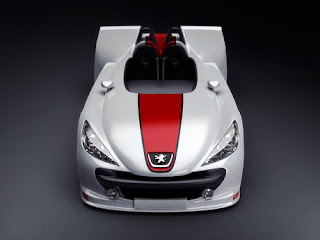
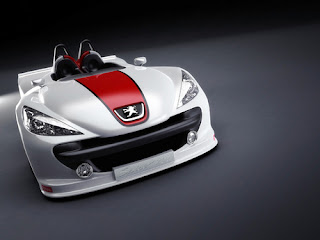
Peugeot 207 Spider Car | Best Wallpaper Automotive

Peugeot 207 Spider Car

Pagani Zonda F Car | Best Wallpaper Automotive

Pagani Zonda F Car
Pagani Zonda F Car
Pagani Zonda F Car

Mazda Kabura Concept Car | Best Wallpaper Automotive

Wednesday, July 21, 2010

Modified Car Insurance

Modified Car InsuranceModified Car Insurance


So you're thinking about building a cool modified street car; but before you get started, you need to consider your car insurance premiums. Insurance for a modified street car used to be hard to come by, but things have changed a bit. However, one thing that hasn't changed is the way in which insurance companies determine the insurance premium for your vehicle. It's all about the risk profiles of the driver and the car; and insurance companies tend to determine your risk profile by placing you as a driver into categories like gender, age, income, etc. and the same goes for your car.

As far as car insurance companies are concerned, there are two types of modified street cars: show cars and street race cars. Show cars are likely to do extremely low mileage, usually in warm sunny weather, and are usually drives very carefully. They are also less likely to be stolen, and more likely to be garage parked at night. All of this is good new for your insurance broker. A street racer however is a different story. These cars are more likely to be abused, involved in accidents, driven in all weather, driven fast and at high RPM, stolen, parked in the street, and driven by 'boy racers'. As a result the insurance companies have to charge a large enough premium to cover any possible claim. How much the insurance increases deepens upon the type of modification.

Car modification can be performed at many levels; from small modifications such as fitting alloy wheels, to major modifications such as fitting a forced induction system. Small modifications are not likely to cause a great impact on your insurance premium and will only increase the value of your vehicle and increase the likelihood of it being stolen. Proper security measures, such as fitting an alarm system, and fitting lock wheel nuts to alloy wheels might help you avoid an increase in your insurance policy. However, major modifications and engine modifications will cause an increase in your car insurance premiums as they greatly increase the risk of the vehicle being involved in an accident. The insurance company might also quote with a higher excess when covering the risk of theft or accidents. Most insurance companies will consider other modifications, such as fitting performance exhaust systems, body kits, and lowering the suspension, on a case by case basis.


DISCLOSE YOUR MODIFICATIONS

The important thing is to disclose your modifications. You may be tempted not to disclose the modifications you've made to your car, so that your premiums remain relatively low. However, this is not a wise move as, technically, you are not covered if you do not disclosed any modifications you've made. If you had an accident, the assessor from the insurance company can, and probably will void your insurance policy if the assessor notices any undisclosed modifications. And I'm not just talking abut engine modifications, even if you fit a set of alloy wheels, or a body kit after you have signed an insurance policy, you must disclose your modifications to you insurance company.

WHAT YOU CAN DO?


To find the best car insurance for your modified car, you'll need to do quite a bit of research. If the car is already modified, search the Web and phone around for the best modified car insurance quote you can get, based on the modifications made to the car. Remember to find out what the excess would be in case of theft and accidents. If you intend doing some modifications, contact your existing insurance company and find out how the modification would impact on your insurance premiums. Find out if another insurance company will offer you better premiums but remember to take the excess into account.

But it doesn't stop when you've got your modified cars insured. As I've mentioned earlier, car insurance companies determine your risk profile by placing you into a category that says something like "under 21 year old male driving a souped up Nissan 200SX has a high accident risk". This is because the driving behavior of other drivers in your age group and gender has resulted in numerous accidents that have cost the insurance industry. As a driver of a modified street car you have a greater responsibility to your fellow road users and your fellow modified car owners. You also need to have greater respect for your car. More power on wet roads means a greater probability of sliding and locking your brakes at a stop. What you can do is be a conscientious driver rather than a conservative driver and never kid around behind the wheel, never drive under the influence, never speed in residential areas, know when you can apply the power, and learn what to do when the car goes into a slide. An advanced driving course should do the trick for the latter as it takes a lot of courage and skill to turn a front-wheel vehicle into a slide, or to release and reapply the brakes when the wheels lock up. If you drive conscientiously, you would be less likely to be the cause of an accident and you would contribute to improving the image of car owners like you and me, and bringing down the premiums for modified car insurance.


WHAT HAPPENS WHEN YOU'RE INVOLVED IN A CRASH?

You've got your modified car insurance covered but you're involved in a crash. Depending on the extent of the damage, your insurance company will determine if your car is a write off by comparing the estimated repair costs of the car against the estimated value of your car. If the estimated repair costs exceed the estimated value, the car is considered a write off. However, when it comes to modified cars, the estimated value of the car after the crash can become quite contentious. Most modifications will push up the amount of money you've spent on the car without adding a similar amount to the value of the car. Fitting a $5,000 stereo to a $2,500 car, for example, won't push the car's value up to $7,500. In such cases you may save a significant amount of money by keeping the parts for your next car. So it may be worth fighting the insurance company on their estimated value of your car. To do that you need to understand how the insurance company operates.

After the crash, the insurance company will usually take a few days to get the estimated value for your car. What the insurance company does is enter your car's information on a computer and send it off to an evaluation company, which then finds similar cars to yours that were recently sold and comes up with an average based on those cars' resale value. This value they send back to your insurance company. By the time the adjuster comes back with this value, you should have already done your own research. You need to look for recent sales information on cars similar to yours in model year, options, mileage, and aftermarket modifications. Look for cars that are in worse condition than yours but are going for a relatively high price as the insurance company will have a hard time arguing you down if a car with more mileage and less options than yours is going at a higher price than their estimate.All is not lost if the repair costs still exceed the value of the car. You can still keep salvage if you have a place you to store the car. The insurance company will deduct the salvage amount from your claim check if you keep salvage but you must move the car from the tow yard as soon as you reach settlement with the insurance company. Remember the insurance company is responsible for tow and storage fees up to the settlement date; after settlement date tow and storage fees become your responsibility.

Toyota

Toyota
Like the other big Japanese car manufacturers, Toyota has been a popular candidate for car modification and show car projects. At any show car event you wouldn't just expect to see a modified Toyota Supa but also modified Toyota Carolla and Toyota Aristo cars. These days you can even expect to see a custom Toyota Prius Hybrid or two!

Below are some of the coolest Toyota show cars from around the world...

Tuesday, July 20, 2010

Testing and Tuning Nitrous Injection Systems


TESTING NOS SYSTEMS

Once you have your nitrous system installed, you must test the system to ensure adequate nitrous and fuel flow. This will ensure proper performance and reliability.

Start by ensuring that the fuel line is properly attached to the fuel solenoid and turn the fuel pump on. You can do this by turning the ignition key to the ACC position. Check for fuel leaks where you tapped into the stock fuel line and where the fuel line feeds into the fuel solenoid. Cure any fuel leaks, check again for fuel leaks and then disconnect the fuel line from the nitrous injector. Activate the system and check for fuel flow when the system is activated, and that the fuel stops flowing when you deactivate the system. If you don't get fuel flow, check that the fuel solenoid is operating properly — you should hear an audible click when the solenoid is activated; check that you have fuel flow at the fuel filter; and ensure that fuel line is not kinked, twisted or bent. If you do have fuel flow, turn the vehicle's ignition off and properly secure the fuel line to the nitrous injector.

Now open the release valve on the nitrous tank check for frost along the nitrous feed line. The frost will indicate a nitrous leak. If you find any leaks, close the release valve on the nitrous tank and cure the leaks. Open the release valve again and ensure that you've cured all nitrous leaks. Then disconnect the nitrous line from the nitrous injector. Activate the system and check for liquid nitrous flow when the system is activated, and that the nitrous stops flowing when you deactivate the system. If you don't get nitrous flow, check that the nitrous solenoid is operating properly; and ensure that nitrous line is not kinked, twisted or bent. If you do have nitrous flow, you can properly secure the nitrous line to the nitrous injector.

TUNING NOS SYSTEMS

Nitrous tuning is another simple procedure but you should first tune your engine without nitrous as you will be running without nitrous for most of the time. Tuning the nitrous system is quite straight forward — you start with the jet sizes recommended by the manufacturer of your nitrous system and gradually adjust the jet sizes until the air/fuel mixture added by the nitrous system is perfect.

So install the jet sizes recommended by the manufacturer of your nitrous system. This will be conservative and will err on the rich size (i.e., too much fuel), which is the safe side to err on. Run you engine for a while with the nitrous activated and then check each of your spark plugs to determine how the air/fuel mixture is burning. The correct air/fuel mixture will produce a brownish, grayish-tan color on the spark plugs. If the spark plugs have a sooty, black color, your air/fuel mixture is too rich and you should increase the nitrous jet to the next jet size. If the metal part of the spark plugs displays a bluish or rainbow coloration, go to a smaller nitrous jet size immediately. Repeat this test until your spark plugs display the correct color. Never jump up by more than one jet size on the nitrous side and never try to work your way down from a lean mixture — that's just looking for trouble and major engine damage. You can make more power by increasing the fuel jet size and then adjusting the nitrous jet size up until your spark plugs display the correct color again.
WARNING: Back off as soon as you get detonation and reduce the size of your nitrous jet!

You may also need to adjust your ignition timing as nitrous oxide makes the air/fuel mixture burn much faster than normal. Retard the ignition timing by 2° increments (i.e., less advance before TDC) until you feel a noticeable loss of power. Then advance the ignition timing by 2°.

Now that that's done, your nitrous system is installed, tested and tuned; all that's left is for you to enjoy responsibly — always enjoy power responsibly!